Staying in a Mara Conservancy vs Inside the Reserve: Does Location Change Everything?
Choosing where to stay in the Masai Mara is not a small detail in safari planning. It is one of the most influential decisions you will make, because it determines how you experience wildlife, how private your safari feels, how flexible your activities are, and even how relaxed or rushed your days become. The difference between staying inside the reserve and staying in a conservancy is structural, not cosmetic, and in 2026 it defines the gap between a standard safari and a highly refined one.
Many travelers assume that because wildlife moves freely across the region, location does not matter significantly. That assumption is incorrect. While animals do not recognize boundaries, tourism management does, and those management systems directly affect your daily experience in the field.
Understanding the Masai Mara ecosystem as a whole
The Masai Mara is not a single uniform area. It is a larger ecosystem made up of the main reserve and several surrounding conservancies, all connected ecologically but separated administratively.
At the center is the Masai Mara National Reserve, which forms the core of the ecosystem. Surrounding it are privately and community-managed conservancies such as Olare Motorogi, Mara North, Naboisho, and Ol Kinyei. These areas function as buffer zones that extend the habitat for wildlife while controlling tourism impact.
From a wildlife perspective, the ecosystem is continuous. From a visitor perspective, it is divided into two completely different safari systems.
What staying inside the reserve really means
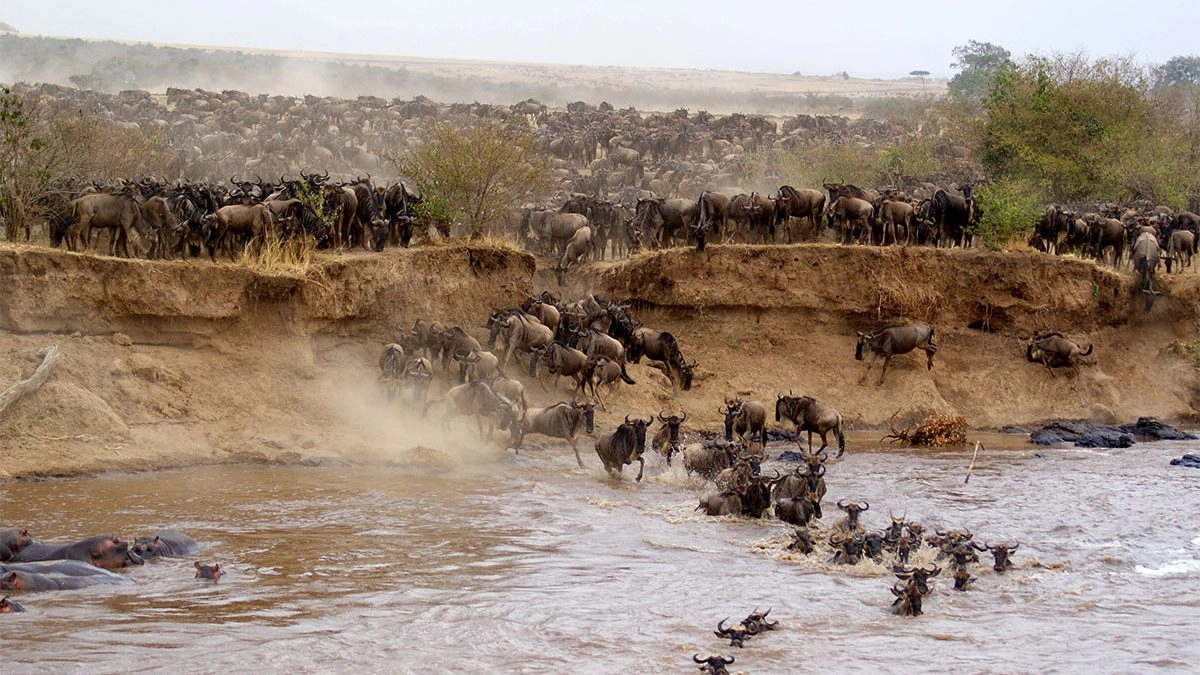
Staying inside the reserve gives you direct access to one of Africa’s most famous wildlife environments. This is where much of the Great Migration unfolds, particularly the dramatic river crossings that attract global attention.
The reserve offers expansive plains, strong predator populations, and a high probability of sightings. Game drives are typically productive, with lions, elephants, cheetahs, and other species encountered regularly.
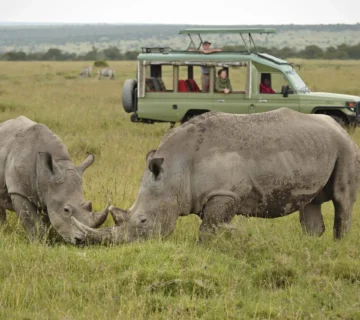
However, because the reserve is publicly managed, it operates on an open-access model. Multiple camps, guides, and independent vehicles share the same space. During peak periods, especially migration season, this can lead to increased vehicle density around key sightings.
This does not mean the experience is poor, but it does mean that it is shared. You are part of a larger flow of safari activity rather than operating within a controlled environment.
What staying in a conservancy really changes
Staying in a conservancy introduces a completely different safari structure. Conservancies are privately or community-managed areas that operate under strict limits on guest numbers, vehicle access, and lodge density.
This controlled model transforms the safari experience. Instead of competing for space at sightings, you often find yourself with only one or two vehicles present. Guides have more freedom to position vehicles, follow wildlife movements, and spend extended time observing behavior.
The result is not just fewer vehicles, but a fundamentally different atmosphere. The safari becomes quieter, slower, and more immersive.
Conservancies are designed to prioritize quality of experience rather than volume of visitors, and this philosophy is evident in every aspect of the stay.
Vehicle density and its impact on your safari
Vehicle density is one of the most visible differences between the two options, and it has a direct impact on how you experience wildlife.
Inside the reserve, popular sightings can attract multiple vehicles. During high season, it is common to see several vehicles gathered around a single lion pride or river crossing. While guides often coordinate to maintain order, the presence of many vehicles can reduce the sense of exclusivity.
In conservancies, strict rules limit how many vehicles can approach a sighting. This creates a calmer environment where wildlife encounters feel more personal. You are able to observe animals without constant repositioning or competition for viewing space.
This difference also affects the animals themselves. Wildlife in conservancies often appears more relaxed due to reduced disturbance, allowing for more natural behavior.
Safari flexibility and activity range
Another major difference lies in the range of activities available.
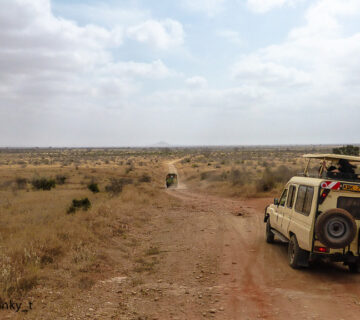
Inside the reserve, safari activities are primarily limited to daytime game drives along designated routes. Off-road driving is restricted, and night drives are not permitted. This creates a structured experience that follows established patterns.
In conservancies, the rules are more flexible. Off-road driving is allowed in many areas, which enables guides to follow wildlife more closely and respond dynamically to animal movement. This is particularly valuable during predator sightings, where positioning can make a significant difference.
Night drives are also permitted in conservancies, opening up opportunities to see nocturnal species such as leopards, hyenas, and smaller predators that are rarely active during the day.
Walking safaris add another dimension, allowing guests to explore the ecosystem on foot and gain a deeper understanding of tracks, plants, and smaller wildlife.
These additional activities create a more varied and immersive safari experience.
Wildlife experience: intensity versus depth
The reserve is known for its intensity. During the Great Migration, it offers some of the most dramatic wildlife events in Africa. River crossings, large herd movements, and predator interactions create a sense of constant action.
Conservancies offer a different style of experience. Wildlife is still abundant, but the emphasis is on depth rather than intensity. Sightings are quieter, less crowded, and often longer, allowing for detailed observation of animal behavior.
This distinction is important. Some travelers prefer the high-energy spectacle of the reserve, while others value the slower, more intimate experience of conservancies.
Accommodation differences and overall feel
Accommodation inside the reserve varies widely, from mid-range camps to high-end lodges. The atmosphere tends to be more active, reflecting the higher number of visitors in the area.
Conservancy camps are typically smaller and more exclusive. Many operate with a limited number of tents or suites, ensuring low guest density and personalized service.
Examples of conservancy-based properties include Mara Plains Camp and Mahali Mzuri, both of which emphasize privacy and controlled access to wildlife areas.
Inside the reserve, properties such as Governors’ Camp provide classic safari experiences with strong wildlife access and established infrastructure.
The difference in atmosphere is noticeable from the moment you arrive. Conservancies feel quieter and more secluded, while the reserve feels more dynamic and energetic.
Cost structure and value perception
Staying in a conservancy generally comes at a higher cost. This reflects the expenses associated with land leases, community agreements, and limited guest capacity.
However, the higher price is tied to a different type of value. Guests are paying for exclusivity, reduced vehicle density, and expanded activity options rather than just accommodation.
Staying inside the reserve can offer better value for travelers focused on specific wildlife events or shorter stays. It provides direct access to key areas without the premium associated with conservancy management.
Accessibility and daily logistics
The reserve is relatively easy to access, with multiple airstrips and well-established routes. Many camps are located within short distances of these entry points.
Conservancies may require slightly more coordination, but most high-end camps provide seamless transfers. In practice, the difference in arrival logistics is minimal.
What matters more is how location affects your daily movement during the safari. Conservancies often reduce travel time between camp and sightings because they operate within less congested areas.
Which option suits different travelers
Travelers who prioritize witnessing dramatic migration events often choose the reserve for its proximity to river crossing points and major herd movements.
Those who value privacy, flexibility, and a quieter safari environment tend to choose conservancies. These areas are particularly suited to couples, photographers, and repeat visitors who want a more refined experience.
Families can benefit from conservancies due to flexible schedules and private vehicles, which make it easier to adapt activities to different age groups.
How location shapes the overall safari experience
The choice between the reserve and conservancies ultimately defines the tone of your safari.
The reserve delivers scale, accessibility, and high-impact wildlife encounters. Conservancies deliver control, exclusivity, and deeper engagement with the environment.
Many high-end itineraries now combine both approaches, allowing travelers to experience the energy of the reserve alongside the calm of conservancy landscapes.
What becomes clear is that location does not just influence what you see. It shapes how you experience every moment of your safari, from the pace of your days to the quality of your wildlife encounters.
Start Planning Your Next Trip To Africa
If you can picture yourself in one—or several—of these exceptional retreats, the next move is simple. We design fully tailored African safaris that bring these experiences together seamlessly, from private gorilla encounters to luxury lodges in the heart of the wild.
Every detail is carefully planned, so your journey feels effortless from start to finish. Reach out in whichever way suits you best, and let’s begin crafting your safari.
Start Planning