Masai Mara in Low Season: Is Kenya Worth Visiting Outside the Migration Window?
The Masai Mara is globally synonymous with the Great Migration, especially the dramatic river crossings that peak between July and October in the Masai Mara National Reserve. This is the period most travelers picture when they think of Kenya: dense herds, predator chases, and crowded riverbanks filled with anticipation.
But the real question for many safari planners is not just what happens during peak season, but whether the Mara still holds value when the migration has moved south into Serengeti National Park.
The short answer is yes—the Masai Mara remains a highly rewarding safari destination in the low season. The longer, more honest answer is that the experience changes in structure, rhythm, and atmosphere rather than intensity of wildlife presence.
Understanding those differences is what determines whether a low-season safari is a smart choice or a compromise.
What “Low Season” Actually Means in the Masai Mara
November to June Breakdown
Low season in the Masai Mara is not a single uniform period. It includes several ecological phases that feel quite different on the ground.
November to December marks the short rains period and the return of migration herds moving back south.
January to March is a quieter green season with scattered wildlife and lush landscapes.
April to May is the long rainy season, with fewer tourists and softer travel conditions.
June is a transitional month as dry season begins and wildlife starts concentrating again.
Each of these phases offers a different version of the safari experience.
Migration Absence Does Not Mean Wildlife Absence
One of the biggest misconceptions is that “no migration” equals “no wildlife.”
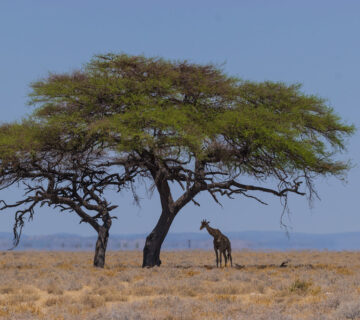
In reality, the Masai Mara remains a permanent ecosystem. Resident populations of lions, elephants, giraffes, buffalo, cheetahs, and leopards stay in the area year-round.
What changes is density and movement concentration, not the presence of wildlife itself.
The Green Season Experience (January to March)
Landscape Transformation
During the green season, the Mara transforms into a lush, open landscape with tall grasses, flowering vegetation, and dramatic skies.
This is the most visually vibrant period of the year. Photographers often prefer it because of soft light conditions and fewer dust-related visibility issues.
Predator Behavior in Open Grasslands
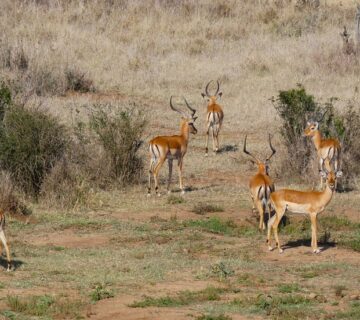
With migration herds absent, predators rely more on resident prey populations.
Lions and cheetahs adjust hunting strategies to smaller, more dispersed targets. Sightings are still frequent but less predictable in terms of large-scale action.
Lower Tourist Pressure
This is one of the biggest advantages of low season travel.
Fewer safari vehicles mean more time at sightings, less crowding at popular areas, and a more relaxed driving experience.
For many travelers, this creates a more personal connection with the landscape.
The Rainy Season Reality (April to May)
Heavy Rainfall and Its Effects
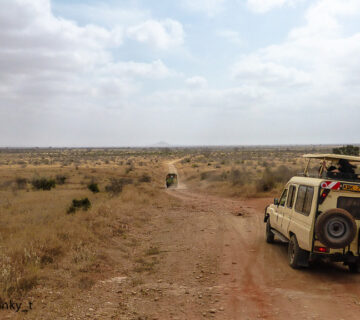
The long rains bring significant changes to safari logistics. Roads can become muddy, some areas become less accessible, and wildlife disperses more widely due to abundant water and vegetation.
However, this does not shut down safari activity.
Wildlife Distribution Changes
Animals spread out across the ecosystem rather than clustering around limited water sources.
This makes sightings more effort-dependent, often requiring longer drives and more tracking.
Dramatic Atmosphere and Photography Conditions
Despite challenges, the rainy season produces some of the most atmospheric landscapes in the Mara.
Storm systems, green plains, and dramatic lighting conditions create a completely different visual identity compared to dry season safaris.
The Transitional Dry Season (June)
Wildlife Re-Concentration Begins
By June, rainfall decreases and vegetation begins to thin. Wildlife starts moving back toward predictable grazing areas.
This is the beginning of pre-migration buildup.
Increasing Predator-Prey Interaction
As animals concentrate, predator sightings become more frequent again.
Lions, in particular, begin re-establishing hunting patterns that will intensify in the coming migration months.
Wildlife Experience Outside Migration Season
Resident Big Cats Remain Active
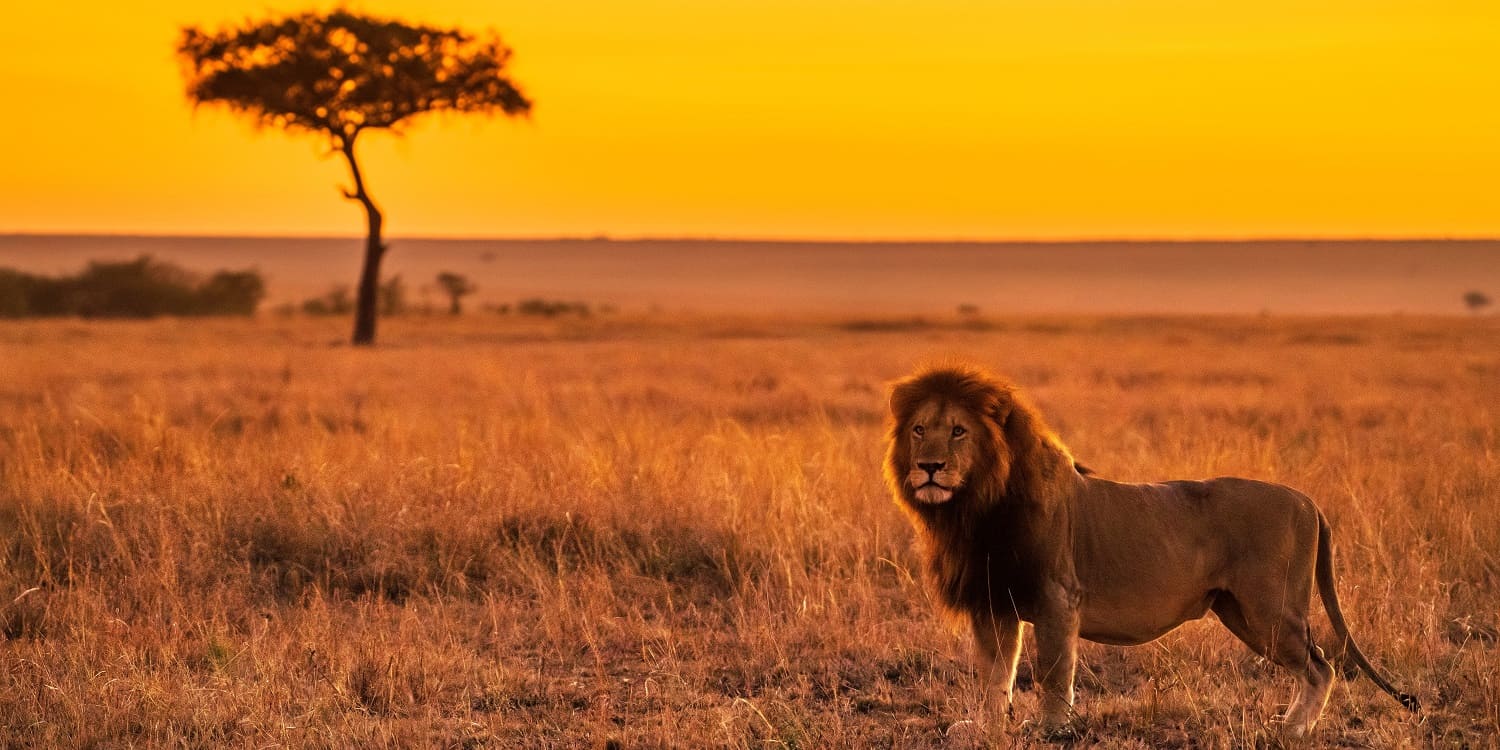
The Masai Mara has a strong resident predator population year-round.
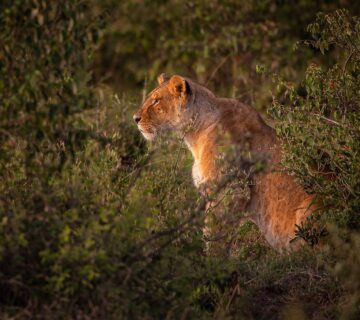
Lions remain territorial and visible in many parts of the ecosystem. Leopards and cheetahs continue to operate within established ranges, although their movements become more dispersed without migration herds.
Elephant and Buffalo Stability
Elephants and buffalo herds remain consistent throughout the year.
These species are less dependent on migration cycles and provide reliable sightings regardless of season.
Birdlife Peaks in Low Season
Low season is actually one of the best times for birding in the Mara ecosystem.
Migratory bird species arrive, and breeding activity increases, creating high diversity and color across the landscape.
Safari Atmosphere in Low Season
Silence Versus Spectacle
Without migration crowds and high-density vehicle activity, the Mara feels quieter and more spacious.
This silence is often underestimated. It changes how you experience wildlife, making encounters feel more natural and less staged.
Time With Wildlife Increases
Because there are fewer vehicles competing for sightings, guides often spend longer at individual encounters.
This allows for deeper behavioral observation rather than quick viewing stops.
Lodge Experience Becomes More Personal
Many luxury camps operate at lower occupancy during low season.
This often translates into more personalized service, flexible scheduling, and quieter camp environments.
Advantages of Visiting in Low Season
Lower Costs and Better Availability
Low season often comes with reduced rates on accommodation and more flexibility in booking luxury lodges.
High-end camps that are fully booked during migration season may have availability at short notice.
Fewer Safari Vehicles
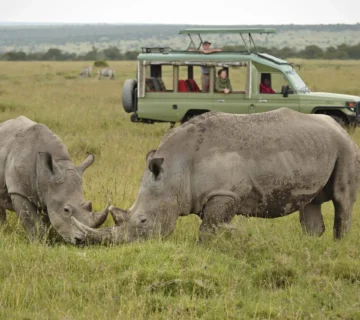
One of the most noticeable improvements is reduced crowding at sightings.
You are more likely to experience wildlife encounters without multiple vehicles present.
Greener, More Photogenic Landscapes
The Mara’s appearance changes dramatically after rains.
Green plains, dramatic cloud formations, and softer light conditions create a different photographic atmosphere.
Limitations of Low Season Travel
Reduced Predictability of Wildlife Action
Without migration herds, predator-prey interactions are less concentrated and harder to anticipate.
Sightings still occur but require more tracking effort.
Weather Variability
Rain can affect road conditions and travel times.
Some remote areas may become less accessible depending on rainfall intensity.
Lower “Dramatic Density”
You will not see large-scale river crossings or mass herd movements during low season.
The experience shifts from spectacle to immersion.
Who Should Visit the Masai Mara in Low Season
Travelers Seeking Privacy and Space
Low season is ideal for those who prefer quieter safari conditions with fewer vehicles and more time at sightings.
Photographers Focused on Landscape and Mood
The green season offers some of the most visually striking conditions for photography due to lighting, cloud formations, and vegetation.
Repeat Safari Travelers
Those who have already experienced migration season often return in low season to see a completely different ecological version of the Mara.
When Low Season Is Not Ideal
If your primary goal is to witness river crossings or large-scale migration movement, low season will not deliver that experience.
Those specific events are tied to seasonal herd movement patterns that occur later in the year.
Masai Mara Outside Migration Season
In practical safari terms, the Masai Mara in low season is not a reduced version of itself—it is a different ecosystem expression.
Instead of high-density spectacle, you get ecological balance, quieter observation, and more space to understand resident wildlife behavior without seasonal crowd pressure.
The landscape becomes more intimate, less chaotic, and more interpretive.
For many experienced safari travelers, this version of the Mara is not a downgrade but an evolution of how the ecosystem is experienced—less about witnessing an event and more about understanding a living environment.
Start Planning Your Next Trip To Africa
If you can picture yourself in one—or several—of these exceptional retreats, the next move is simple. We design fully tailored African safaris that bring these experiences together seamlessly, from private gorilla encounters to luxury lodges in the heart of the wild.
Every detail is carefully planned, so your journey feels effortless from start to finish. Reach out in whichever way suits you best, and let’s begin crafting your safari.
Start Planning