The Mara Conservancies Explained: Naboisho, Ol Kinyei, Mara North and What Makes Them Different
The conservancy system around the Masai Mara is one of the most important shifts in modern African safari design. While most travelers are familiar with the iconic Masai Mara National Reserve, fewer fully understand the private community-managed landscapes that surround it. These include Naboisho Conservancy, Ol Kinyei Conservancy, and Mara North Conservancy, each offering a different version of the safari experience built on land leasing, strict visitor limits, and close collaboration with Maasai landowners.
Together, these conservancies form a buffer zone that protects wildlife movement corridors while delivering some of the most exclusive safari experiences in East Africa. But despite being geographically close, each conservancy has its own ecological character, guiding style, and safari rhythm.
Understanding the differences is essential if you want to choose the right luxury safari experience in the Mara ecosystem.
What a Mara Conservancy Actually Is
Community Land Leasing Model
A conservancy in the Mara ecosystem is not a national park. It is privately leased Maasai community land that is temporarily set aside for wildlife conservation and tourism.
Local landowners collectively agree to limit livestock grazing and human settlement in exchange for monthly lease payments from safari operators. This system creates a financial incentive to protect wildlife while ensuring that communities directly benefit from tourism.
Unlike the open-access model of the main reserve, conservancies operate under strict visitor caps. This is what fundamentally changes the safari experience.
Low-Density Tourism Principle
Each conservancy restricts the number of safari camps and vehicles allowed at any time.
This means:
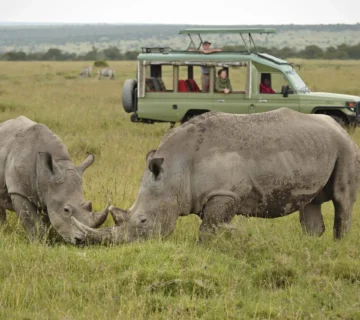
Fewer vehicles at sightings
Controlled camp density
Reduced environmental pressure
More predictable wildlife behavior
The result is a safari environment that feels quieter, more private, and less congested than the main reserve.
Naboisho Conservancy: Predator Density and Big Cat Focus
Overview of the Landscape
Naboisho Conservancy lies to the east of the main Masai Mara Reserve and is known for its rolling plains, open grasslands, and strong predator populations.
It is one of the largest conservancies in the ecosystem and supports a relatively high concentration of wildlife compared to its low visitor density.
Lion Population Strength
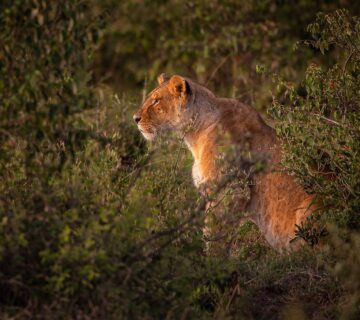
Naboisho is particularly famous for its lion population. The density of prides in this conservancy is among the highest in the Mara ecosystem.
Because of limited vehicle pressure, lion behavior here is often more natural and less disturbed, allowing for longer observation of hunting, mating, and cub-rearing behavior.
Cheetah and Leopard Encounters
The open terrain also supports strong cheetah visibility. Unlike busier areas of the reserve where sightings can be crowded, cheetah encounters in Naboisho often feel more exclusive and uninterrupted.
Leopards are present but more elusive, typically found in denser bush areas.
Safari Experience Style
Safaris in Naboisho tend to feel expansive yet intimate. You are likely to spend extended time with a single sighting without interference from multiple vehicles.
Guides often have more flexibility to track wildlife quietly due to conservancy rules.
Ol Kinyei Conservancy: Wilderness and Walking Safari Focus
Landscape Character
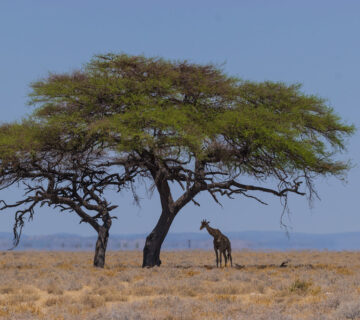
Ol Kinyei Conservancy is one of the most remote-feeling conservancies in the Mara ecosystem. It is characterized by open plains, scattered acacia woodland, and very low human infrastructure density.
It was one of the first conservancies established in the region and is often associated with pioneering community-based conservation models.
Walking Safaris and Immersion
Ol Kinyei is especially known for walking safaris. Unlike the main reserve, where walking is restricted, this conservancy allows guided on-foot exploration with trained Maasai guides.
Walking safaris here are not about chasing large wildlife but about understanding the landscape itself—tracks, vegetation patterns, insects, birds, and ecosystem interactions at ground level.
Low Traffic, High Silence
Vehicle density in Ol Kinyei is extremely low. This creates long stretches of silence during game drives, where the soundscape is dominated by wind, birds, and distant animal calls rather than engine noise.
For many travelers, this is the closest experience to “pure wilderness” in the entire Mara system.
Wildlife Experience
Wildlife is present but more dispersed. You may encounter elephants, giraffes, and predators, but the experience is less about high-density sightings and more about natural movement across undisturbed terrain.
Mara North Conservancy: Balanced Luxury and Classic Safari Action
Overview of the Ecosystem
Mara North Conservancy is one of the most well-developed conservancies in the region, located northwest of the main reserve.
It combines strong wildlife density with a higher concentration of luxury camps compared to other conservancies.
Predator and Prey Interaction
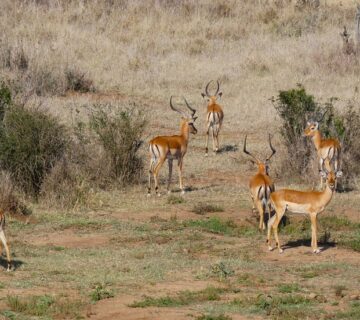
Mara North has a balanced ecosystem with consistent sightings of lions, elephants, buffalo, and plains game.
Because it borders the main reserve, wildlife movement between the two areas is fluid, meaning migration-related species also pass through during peak season.
Luxury Camp Concentration
This conservancy hosts some of the most established luxury safari camps in the Mara ecosystem.
However, even with higher-end development, strict vehicle limits maintain a controlled safari environment.
Safari Experience Style
Mara North offers a middle ground between the intensity of the main reserve and the exclusivity of smaller conservancies.
You get strong wildlife density, relatively predictable sightings, and still enjoy controlled crowd levels.
Key Differences Between the Conservancies
Land Use and Geography
Naboisho focuses on predator-rich plains with strong lion populations.
Ol Kinyei emphasizes remote wilderness and walking safaris.
Mara North offers a balanced mix of wildlife density and luxury infrastructure.
Each conservancy is physically connected to the broader Masai Mara ecosystem, but their internal management creates distinct safari identities.
Vehicle Density and Privacy
Ol Kinyei has the lowest vehicle density, making it the most secluded.
Naboisho maintains low density but higher predator visibility.
Mara North allows slightly more activity but still far below the main reserve.
This directly affects how long you spend alone at sightings.
Safari Activity Range
Only conservancies allow walking safaris and night drives. This expands the safari experience beyond daytime game drives.
The main reserve does not permit these activities, which limits experiential diversity.
Why Conservancies Matter for Modern Safari Design
Reducing Environmental Pressure
The conservancy model limits over-tourism by controlling bed numbers and vehicle access.
This reduces stress on wildlife and helps maintain natural behavioral patterns.
Direct Community Benefit
A significant portion of conservancy income goes directly to Maasai landowners.
This creates a strong financial incentive to protect wildlife rather than convert land for agriculture or settlement.
Better Wildlife Behavior Observation
Lower vehicle pressure means animals behave more naturally.
You are more likely to observe hunting sequences, mating behavior, and territorial interactions without disruption.
How Conservancies Compare to the Main Reserve
Masai Mara National Reserve Experience
The main reserve offers high-density wildlife viewing and migration spectacle, especially during river crossing season.
However, it also experiences higher vehicle concentration and less control over visitor numbers.
Conservancy Experience
Conservancies prioritize exclusivity, privacy, and activity flexibility.
They are not designed for mass migration viewing but for deeper, more controlled safari immersion.
Choosing the Right Conservancy Experience
Choose Naboisho If You Want
Strong predator encounters
Big cat-focused safari experience
Open plains with high wildlife density
Choose Ol Kinyei If You Want
Walking safaris and quiet immersion
Minimal vehicle presence
A deeply natural, low-impact safari
Choose Mara North If You Want
Balanced luxury and wildlife density
Established high-end camps
Reliable sightings with controlled crowds
Mara Conservancy System
In practical safari terms, the conservancies represent a shift away from traditional mass-access safari tourism toward controlled ecological access systems.
They are not simply “private versions” of the Masai Mara—they are a different model of conservation entirely, where land use, tourism, and community benefit are directly linked.
For travelers, this means the choice is not only about wildlife. It is about the style of interaction with that wildlife—whether you want density and spectacle, or privacy and depth.
Start Planning Your Next Trip To Africa
If you can picture yourself in one—or several—of these exceptional retreats, the next move is simple. We design fully tailored African safaris that bring these experiences together seamlessly, from private gorilla encounters to luxury lodges in the heart of the wild.
Every detail is carefully planned, so your journey feels effortless from start to finish. Reach out in whichever way suits you best, and let’s begin crafting your safari.
Start Planning